Products
Polyethylene Glycol 4000 (PEG 4000)
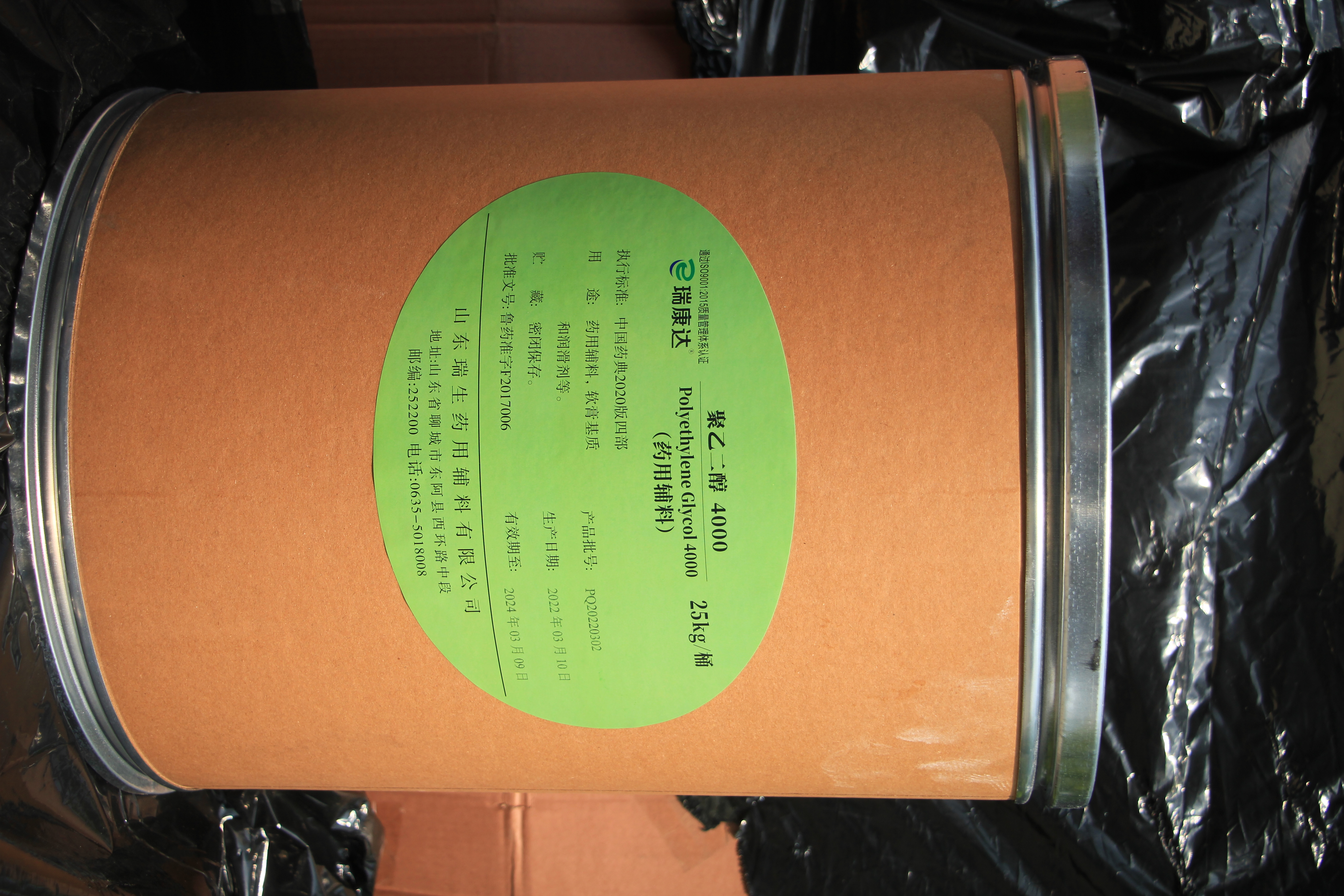
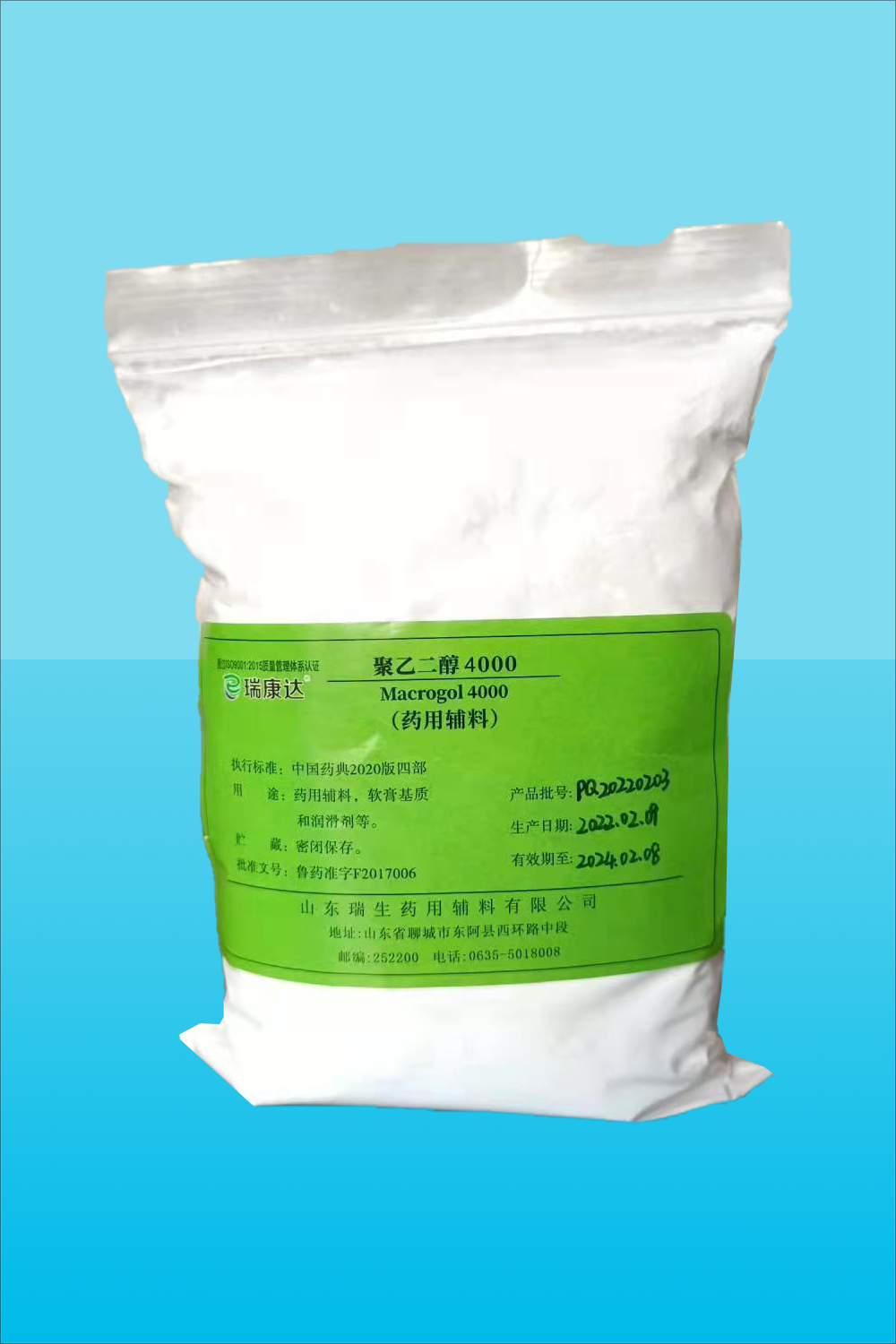
- Product description: Export-grade pharmaceutical-grade Polyethylene Glycol 4000 (PEG 4000)—direct from the manufacturer. Compliant with Pharmacopoeia standards, this pharmaceutical excipient features high purity, excellen
Polyethylene glycol—also known as polyoxyethylene glycol—is a mixture characterized by a high degree of polymerization. Commonly encountered forms of polyethylene glycol include PEG 200, PEG 400, PEG 600, PEG 3350, PEG 4000, PEG 6000, PEG 8000, among others. Of these, PEG 400 presents as a colorless or nearly colorless viscous liquid; it is readily soluble in water or ethanol but insoluble in diethyl ether. Polyethylene glycol is synthesized via an addition polymerization reaction conducted within a polymerization reactor, utilizing ethylene oxide and either water or ethylene glycol, with sodium hydroxide or potassium hydroxide serving as the catalyst.
As a pharmaceutical excipient, Polyethylene Glycol 4000 (PEG 4000) is a widely utilized, high-molecular-weight, water-soluble auxiliary material within the pharmaceutical industry. It is manufactured in strict compliance with the standards set by major pharmacopoeias—such as the CP (Chinese Pharmacopoeia), USP (United States Pharmacopeia), and EP (European Pharmacopoeia)—and has successfully completed CDE (Center for Drug Evaluation) filing and registration. Distinct from industrial-grade products, it is free of impurities, non-toxic, harmless, and exhibits excellent biocompatibility; thus, it serves as an indispensable, multifunctional, and compliant excipient in the production of pharmaceutical formulations, finding extensive application across the global pharmaceutical processing sector.
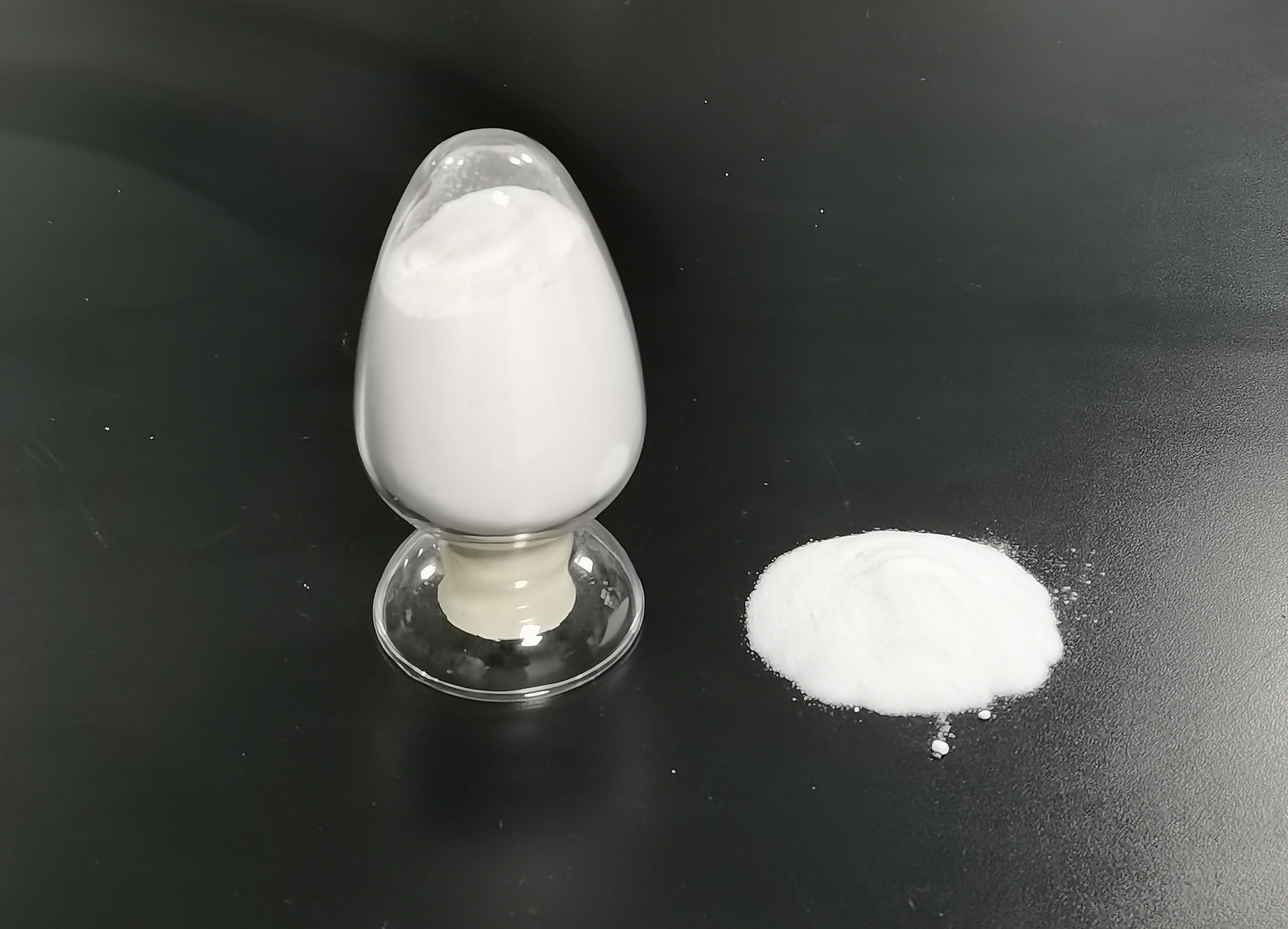
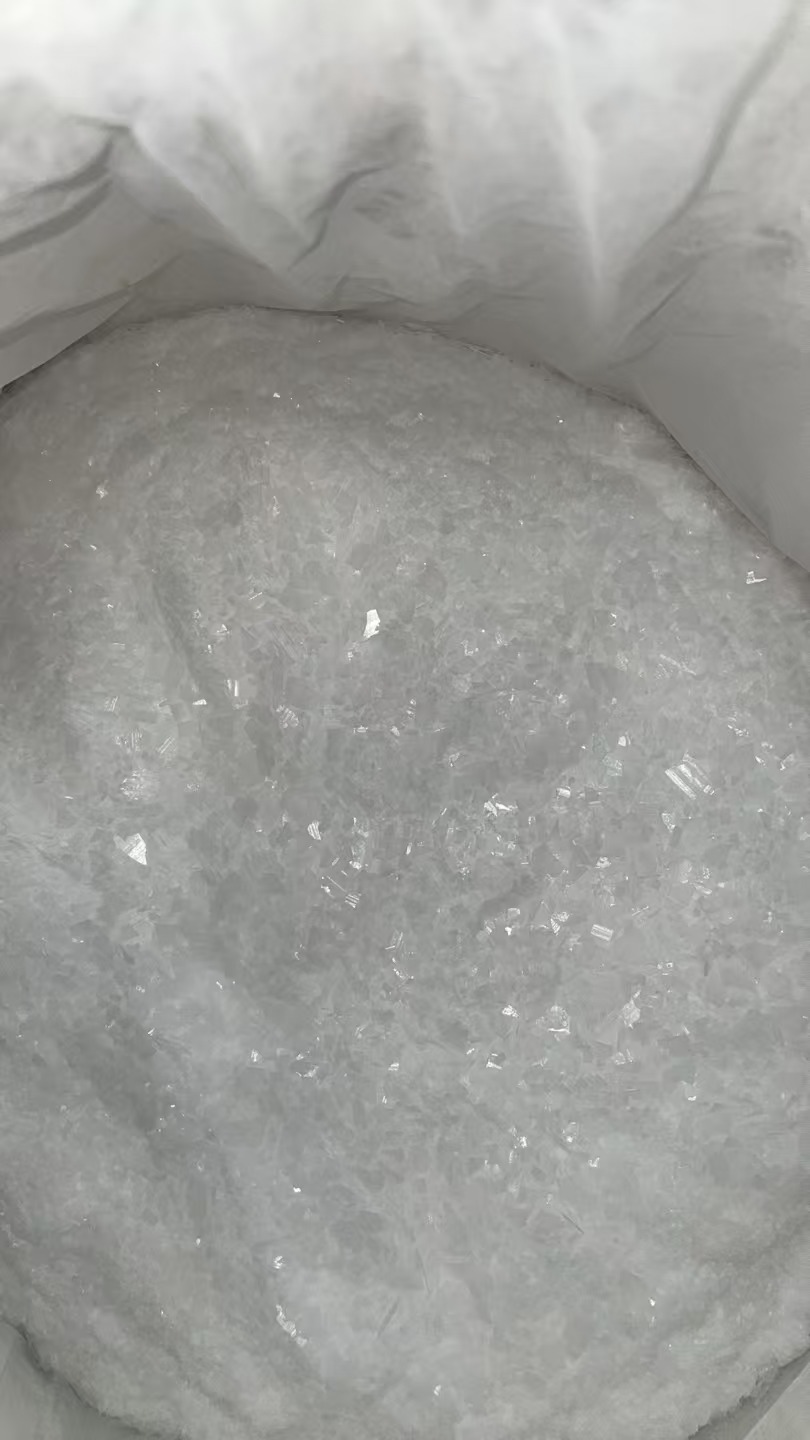
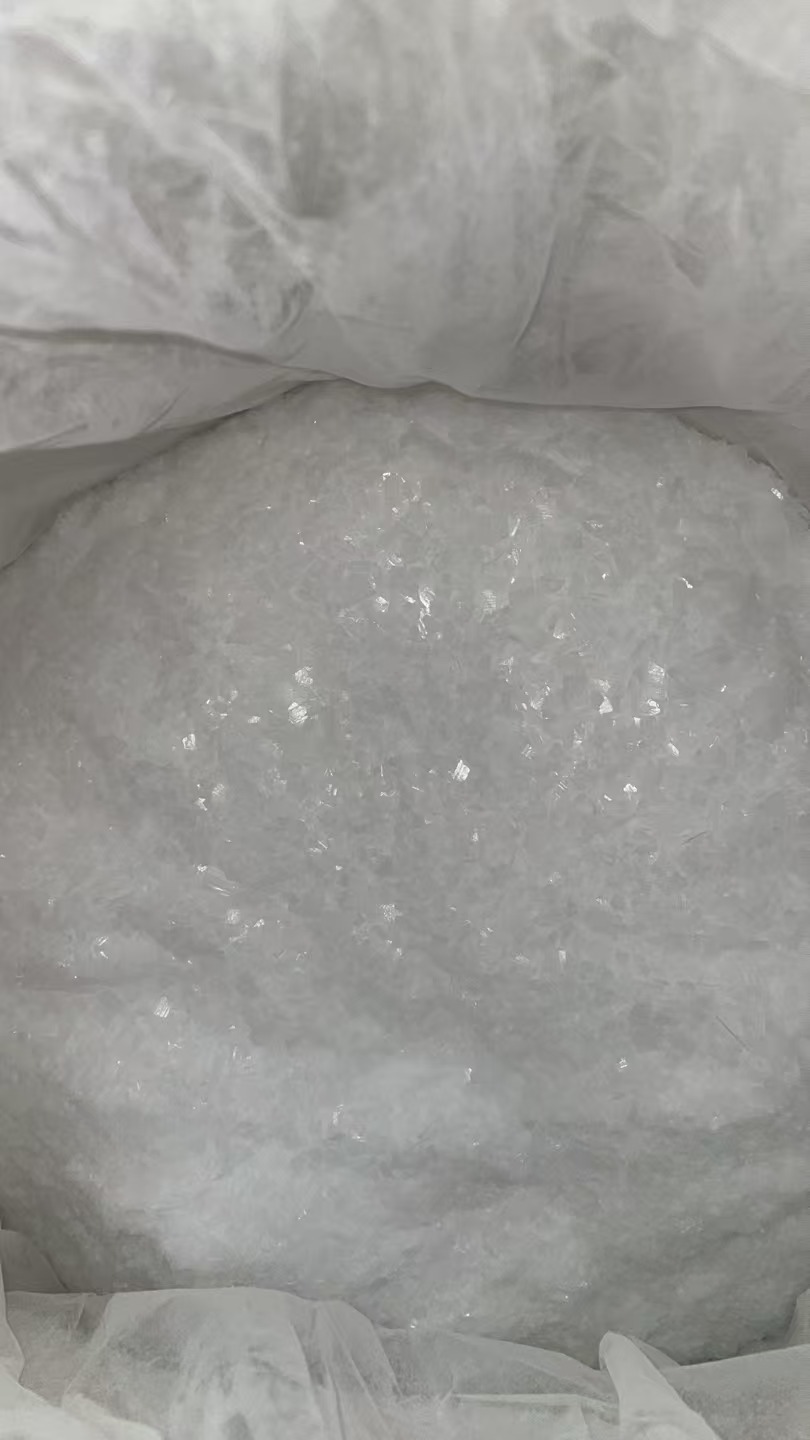
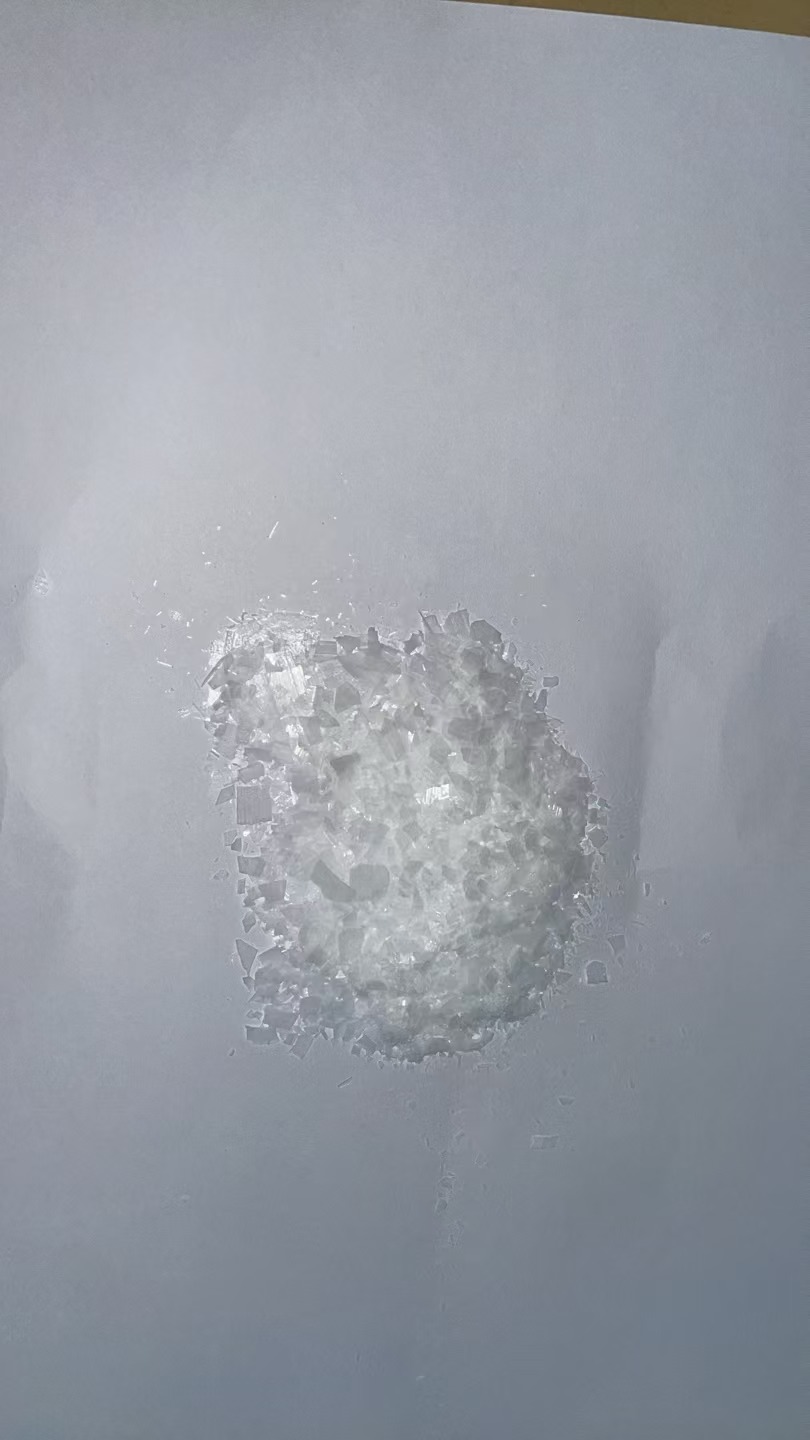
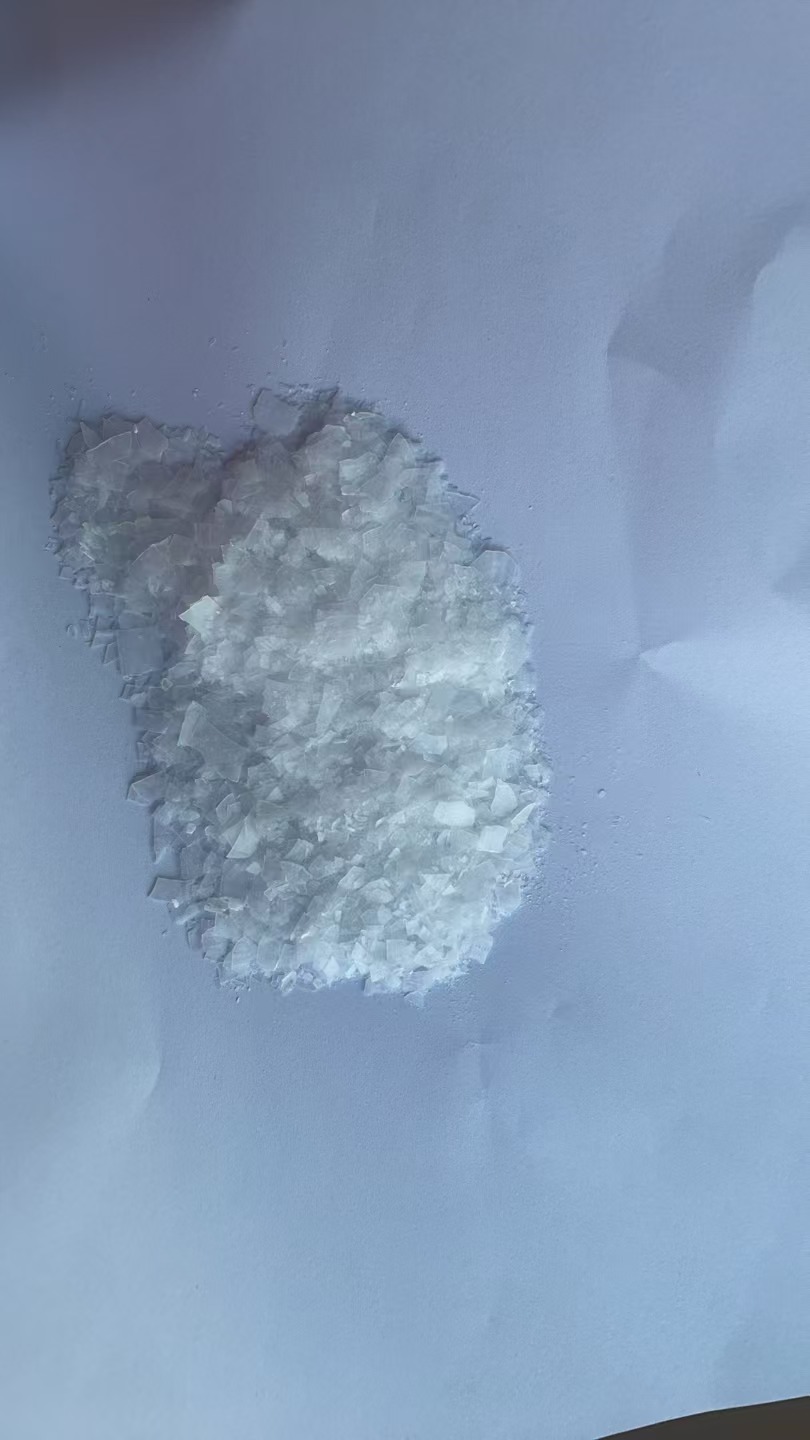
PEG 4000 appears as a white, waxy solid or powder, characterized by a uniform texture, absence of odor, and stable physicochemical properties. Its core advantages include excellent water solubility, strong chemical inertness (it does not participate in reactions with active drug ingredients), superior lubricity, excellent film-forming capabilities, and stable sustained-release effects. It demonstrates excellent compatibility with the majority of active pharmaceutical ingredients (APIs) and various other excipients, preventing issues such as discoloration, degradation, or antagonistic interactions, thereby maximally safeguarding the safety, stability, and therapeutic integrity of the medication. In pharmaceutical formulations, it primarily functions as a lubricant, glidant, and binder for tablets and capsules; additionally, it serves as a thickening agent, a matrix material for sustained-release systems, an ointment base, and a carrier for solid dispersions, making it suitable for the production of a wide array of medicinal products, including oral and topical formulations.
As a pharmaceutical excipient, Polyethylene Glycol 4000 (PEG 4000) is a widely utilized, high-molecular-weight, water-soluble auxiliary material within the pharmaceutical industry. It is manufactured in strict compliance with the standards set by major pharmacopoeias—such as the CP (Chinese Pharmacopoeia), USP (United States Pharmacopeia), and EP (European Pharmacopoeia)—and has successfully completed CDE (Center for Drug Evaluation) filing and registration. Distinct from industrial-grade products, it is free of impurities, non-toxic, harmless, and exhibits excellent biocompatibility; thus, it serves as an indispensable, multifunctional, and compliant excipient in the production of pharmaceutical formulations, finding extensive application across the global pharmaceutical processing sector.
PEG 4000 appears as a white, waxy solid or powder, characterized by a uniform texture, absence of odor, and stable physicochemical properties. Its core advantages include excellent water solubility, strong chemical inertness (it does not participate in reactions with active drug ingredients), superior lubricity, excellent film-forming capabilities, and stable sustained-release effects. It demonstrates excellent compatibility with the majority of active pharmaceutical ingredients (APIs) and various other excipients, preventing issues such as discoloration, degradation, or antagonistic interactions, thereby maximally safeguarding the safety, stability, and therapeutic integrity of the medication. In pharmaceutical formulations, it primarily functions as a lubricant, glidant, and binder for tablets and capsules; additionally, it serves as a thickening agent, a matrix material for sustained-release systems, an ointment base, and a carrier for solid dispersions, making it suitable for the production of a wide array of medicinal products, including oral and topical formulations.
PREVIOUS:Potato Starch
No next
RELATED PRODUCTS
LATEST NEWS
CONTACT US
Contact: Tina
Phone: +8618865122887
Tel: +86-0635-5018008
Email: ruishengexcip@outlook.com
Add: Middle Section of the Western Ring Road, Donga County, Shandong Province, China